
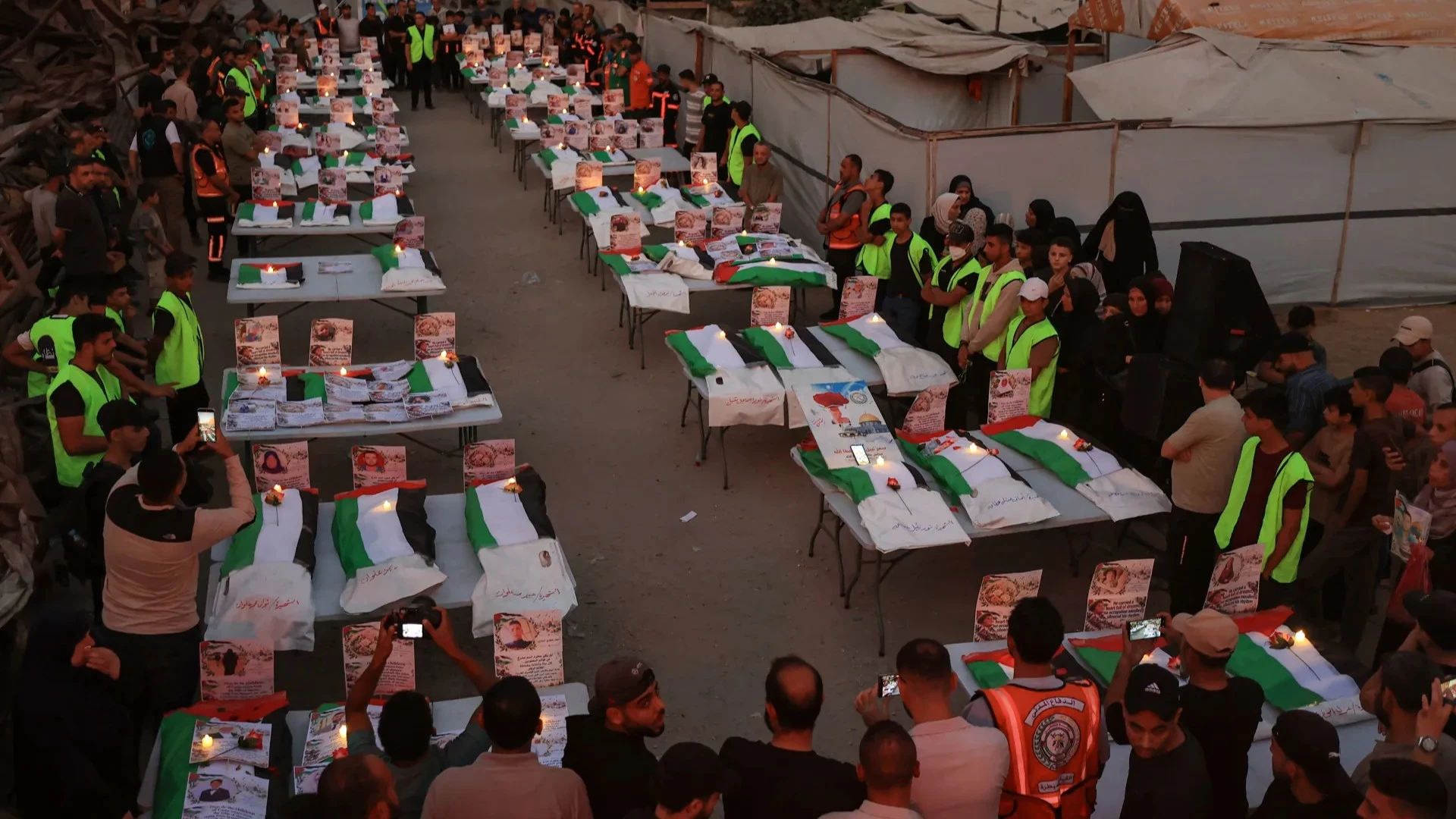
I wish I could have been there walking or marching with my Dutch friends and comrades. I wasn’t so I can’t really convey the atmosphere, but only imagine it. Perhaps the photos can help. I talked with Dutch friends and also checked on website news reports and have come up with this report.
A key thing to note is how politically broad the attendance was as well as its size. The leadership comprises liberal NGOs, but ones proving their commitment despite pressure from the state and Zionist supporters. The social democratic parties sent delegations but they are not leading. The revolutionary socialist left is still too small to even win a hearing. But the contradiction between what the people want and are demanding is sharpening, while the ruling class’s state remains unmoved and previously supportive politicians exposed as liars. Angry democratic humanist sentiment is sharpening everywhere in Europe, in different ways in different nations. Everybody should keep a closer watch.
This is what I have been able to put together. Thanks to comrade Harry Otten in Nethelands for his help with this piece.
**
About 200,000 people attended the fourth “Red Line” march in Amsterdam on Sunday, 8 November, according to organisers. The figure was repeated by international news agencies and co-organisers including Amnesty International. The first Red Line, in May last year, drew 100,000. The second, in June, drew 150,000. The third, in October, drew 250,000. This last Red Line demonstration was called De Rode Lijn Voorbij (Beyond the Red Line) referring to the fact that the Dutch government had crossed the Red Line that earlier marches had demanded.
The crowd included families, students, pensioners, and workers. Dutch people of Middle Eastern descent attended, though most were white Dutch people. Attendees expressed support for Palestinians on humanitarian grounds. Many said they had seen images from Gaza on social media, including images of dead and injured children, destroyed neighbourhoods, and Israeli soldiers and politicians using genocidal language.

The march was organised by 14 groups, with about 150 other groups supporting it. One of the lead organizations was The Rights Forum, a Dutch foundation focused on the Palestinian issue. It was founded in 2009 by former prime minister Dries van Agt. Its board includes former ministers, diplomats, and legal experts. It has taken legal action against the Dutch state over its Israel policy. Other organisers included Amnesty International, Oxfam Novib, PAX, and Save the Children. The main trade union federation, the Federation of Dutch Trade Unions (Federatie Nederlandse Vakbeweging – FNV) supported the demonstration and urged members to attend; its flags were visible. Smaller groups included BDS Nederland, Dutch Scholars for Palestine, Artsen voor Gaza (Medics for Gaza), and the Palestinian Community in the Netherlands.
Left-wing parties also attended. The Socialist Party sent three buses of supporters. Local branches of PRO promoted the march and leader Jesse Klaver attended. PRO is a merger of the social-democratic Labour Party (PvdA) and the green party (GroenLinks). Former minister Lilianne Ploumen spoke, and former Amsterdam mayor Job Cohen attended. Partij voor de Dieren (Party for the Animals) was represented by Esther Ouwehand and Christine Teunissen; Teunissen called for an end to arms trade and investment with Israel. Volt (a small social-liberal party) was represented by Laurens Dassen, who said the cabinet was “looking away while a genocide is taking place.” DENK (a party that represents many immigrants) was represented by Stephan van Baarle. D66 member Mpanzu Bamenga attended; party leader and Prime Minister Rob Jetten did not. D66 is a pro-market party slightly to the left of the rightwing VVD. Jetten attended a Red Line demonstration last year a few weeks before the election which helped him to win the elections. Jewish Dutch groups attended, including Erev Rav, Joden zeggen Nee, and Een Ander Joods Geluid. Former VVD foreign minister Jozias van Aartsen also attended. Cohen said it was “almost impossible to deny anymore” that what is happening has “elements of genocide.”
The slogan was “Geen geld voor genocide” (“No money for genocide”). Organisers made four demands. They called for tighter sanctions, expanding the ban on goods from illegal Israeli settlements to a full ban on trade and investment tied to the occupation. They called for an end to arms sales and military cooperation with Israel, including a full arms embargo. They called on the government to recognize that Israel is committing genocide and ethnic cleansing against Palestinians. They called for maximum political, economic, and diplomatic pressure to end the occupation. Speakers included Ploumen, who called for suspending military cooperation with Israel; BDS co-founder Omar Barghouti; and Palestinian journalist Amal Helles, who fled Gaza and said, “No one is free until Palestine is free.” Medhat Alamawi from the PGNL (Palestinian Community in the Netherlands) and Utrecht4Palestine also spoke. He called on the participants to boycott companies that maintain ties with Israel.
Most of the centre to centre-left were represented. The small far left groups were also present.

Prime Minister Jetten did not attend. He said it was “not his place” to join a demonstration. He declined to call Israel’s aggression “genocide,” a term he had used a year earlier while in opposition. Jetten said his cabinet is pressing Israel through diplomatic channels and has banned settlement products. This however is easy to circumvent as critics have pointed out. He ruled out an arms embargo and an official declaration that Israel is committing genocide.
Police described the march as peaceful. Four people were arrested, for reasons including failing to show identification, obstructing police, and stealing a flag. There were small clashes with officers at points along the route; police used batons during at least one arrest. About ten people displayed banners reading “We support Hamas” and lit smoke flares. Some marchers jeered and some cheered. Organisers responded to criticism that some speakers had links to Hamas or other armed resistance groups, calling it a smear. A Rights Forum spokesman said: “Even if we had put the pope on stage, the right would have accused us of antisemitism and Hamas sympathies.”
Dutch public opinion has always been very supportive of Israel. The genocide in Gaza has changed this radically. The size of the marches are an indicator for this. Factors include images from Gaza, a younger generation less influenced by the traditional Dutch-Israeli “friendship” narrative, and debate in the Netherlands about its colonial past, including its war in Indonesia between 1945 and 1949. There’s also a strong pro-Palestine movement active in a lot of cities and towns and on a wide range of campaigns. Polling this year found that 11% of Dutch people back the government’s Israel policy, while 42 % want the Netherlands to support Israel less. 52 % say Israel is committing genocide in Gaza. Another poll found that 76% have a negative view of Israel and only 4% still hold very favourable views.


Leave a Reply