
Opinion by Shamikh Badra
Australia’s decision to recognize the State of Palestine has sparked sharp reactions — from celebration among Palestinians and their allies, to outrage from Israeli officials. The debate now is whether this is merely symbolic or part of a larger political shift. If it were truly meaningless, why is Israel so furious?
Amid a growing wave of recognition from European and Latin American nations, Australia’s move stands out. For decades, Canberra aligned closely with U.S. and Israeli positions, often opposing or abstaining on Palestinian resolutions at the United Nations.
Correcting a Historical Injustice
Recognition is, at its core, a correction of a historical injustice. For over a century, colonial powers erased Palestine from the political map while legitimizing a settler-colonial entity built on its ruins. The Zionist project sought not only to uproot Palestinians but also to erase them entirely from international consciousness.
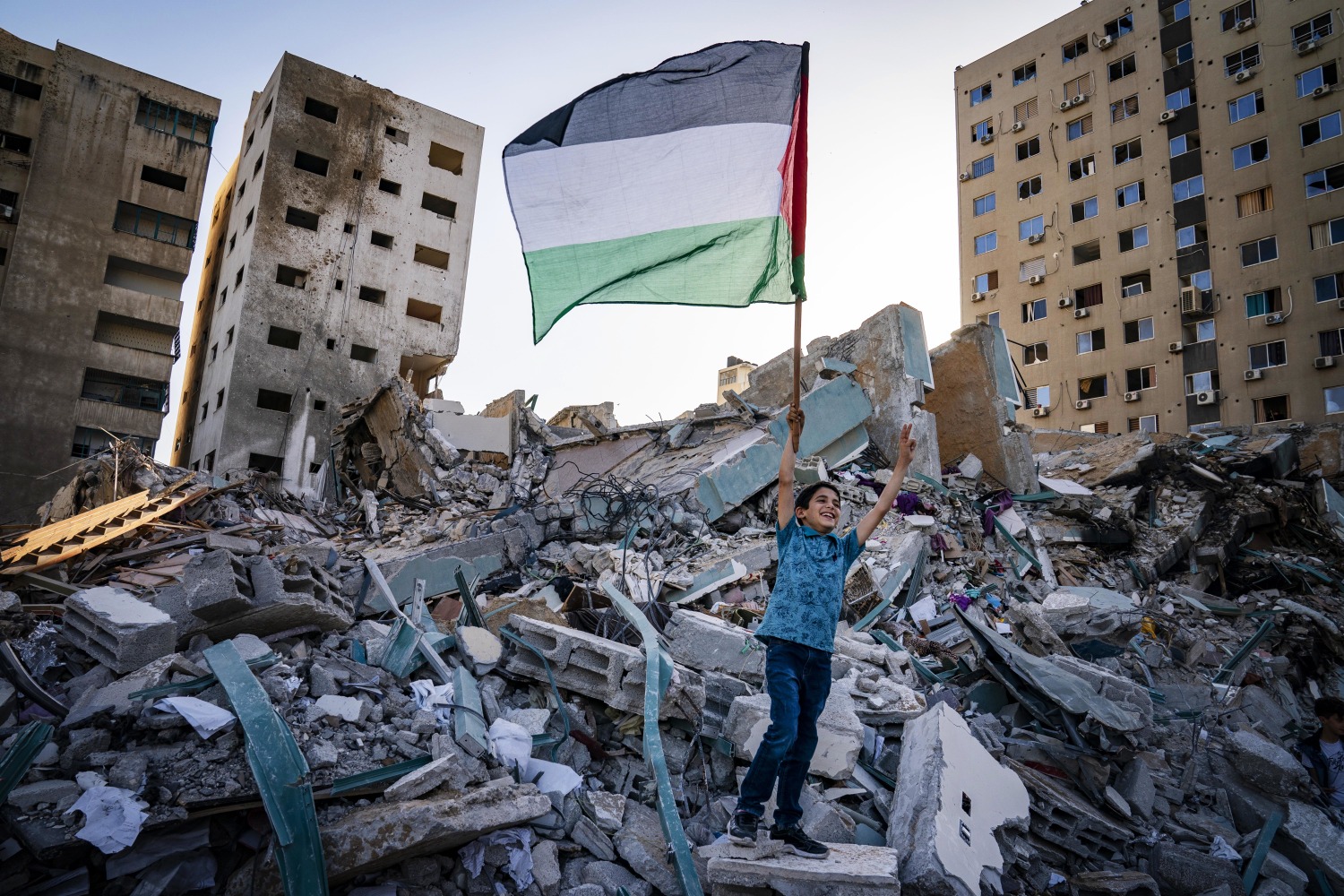
By recognizing Palestine, Australia joins those challenging this logic of erasure. It affirms the existence of a people who have endured decades of displacement, military occupation, and attempted genocide — and still refuse to disappear.
A Tool of Political Resistance
Recognition is not a final solution. It is a political tool in a long struggle, stating clearly: the Palestinian exists, has rights, and has a political identity — whether Israel accepts it or not.
At a time when Israel is trying to turn Gaza into a “Riviera without people” and the West Bank into “Biblical land” without Palestinians, recognition stands as a direct challenge to the settler-colonial project.
It also confronts the Trump–Netanyahu strategies of forced displacement, coerced normalization, and so-called “economic peace,” which treat Palestinians as a demographic problem to be removed or controlled.
Australia’s Shift Matters
Australia’s recognition is not a token act from a faraway country. It is a political signal that even Western states long aligned with Israel can shift their position when faced with mounting evidence of war crimes, ethnic cleansing, and apartheid.
The angry backlash from Israeli leaders — including diplomatic protests — proves this move carries real political weight. If it truly had no effect, Tel Aviv would not be working so hard to undermine it.
Not a Substitute for Liberation — But Part of It
Humanitarian aid for Gaza is essential, but it cannot replace the political work of ending occupation and achieving Palestinian self-determination. Recognition — especially from countries like Australia with strong diplomatic and economic ties to Israel — can help break Israel’s monopoly over the political narrative, expand legitimacy for Palestinian rights, and create new leverage for accountability in international forums.
A Note to One-State Advocates: Rethinking the Moment
Any political act that enrages the Israeli government to the point of diplomatic blackmail and economic threats deserves thoughtful engagement—even from advocates of a one-state solution.
When Israel pressures world capitals and threatens retaliation to block recognition of Palestine, it should prompt serious reflection among those who oppose recognition, lest they find themselves—unintentionally—aligned with the Israeli position.
Recognition of a Palestinian state is a direct response to the expansionist claim that “Greater Israel” stretches from the Nile to the Euphrates. It draws a line in the sand, affirming that the world does not accept the erasure of Palestinians or the crushing of their political existence.
From Symbolism to Action
Recognition alone does not build a state, but it is not meaningless. It is an official acknowledgment of Palestinian political legitimacy — a platform from which Palestinians can pursue legal, diplomatic, and political challenges to Israeli apartheid.
The key is to turn that recognition into practical pressure: sanctions on illegal settlements, ending military trade with Israel, and supporting Palestinian efforts at the International Criminal Court.
No Concession on the Right of Return
Recognition must not be mistaken for acceptance of the current colonial reality or a surrender of the right of return. Palestinians can demand statehood while also insisting on their historic rights, including full liberation and the dismantling of apartheid structures.
Recognition is not an end to the struggle — it is one front among many in resisting genocide, displacement, and erasure.
Conclusion
When Australia recognises Palestine, it chips away at the wall of political impunity that Israel has relied upon for decades. It sends a message that the world will not stay silent while Palestinians are bombed in Gaza, expelled from Jerusalem, and besieged in the West Bank.
Palestinians deserve more than sympathy. They deserve freedom, justice, and a future. Australia’s recognition is one step toward that horizon — and a reminder that the struggle for Palestine is not over, but far from forgotten.
Shamikh Badra is a Palestinian researcher, activist, and PhD candidate at the University of Wollongong. He is a member of the International Relations Committee of the Palestinian People’s Party and is part of the elected leadership for the Middle East region in the World Federation of Democratic Youth (WFDY).


Leave a Reply